Hip Replacement vs Knee Replacement Cost Without Insurance Which Surgery Is More Expensive
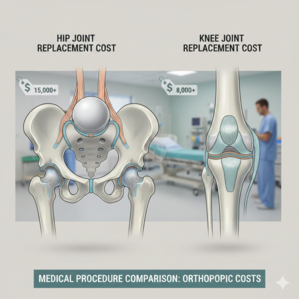
Introduction: Why Costs Vary So Much
Medical pricing—especially for major surgeries—is notoriously inconsistent. The cost you might pay for hip or knee replacement can differ drastically based on the hospital, surgeon, geographic region, implant quality, anesthesia, and even how long you stay in the facility. In the U.S., prices for uninsured patients can vary thousands of dollars between cities and individual hospitals.
This article focuses primarily on the cost landscape in the United States, where medical expenses tend to be highest in the world. If you’re outside the U.S., specific costs will vary widely, but the general comparison between hip and knee replacements remains relevant.
What Is Hip Replacement Surgery?
Hip replacement surgery—also called total hip arthroplasty—involves replacing the damaged or arthritic hip joint with artificial components. It’s most commonly recommended for people with severe osteoarthritis, hip fractures, or loss of function and mobility due to injury or chronic conditions.
Key Features:
-
Typically inpatient surgery with a hospital stay of 1–3 days
-
Implant prosthetics can vary in cost and quality
-
Requires post-operative rehabilitation for best outcomes
What Is Knee Replacement Surgery?
Knee replacement—especially total knee replacement (TKR)—involves replacing the entire knee joint’s damaged surfaces with prosthetic components. Like hip replacement, it’s often indicated for severe arthritis, injury, and persistent knee pain that doesn’t respond to conservative treatment.
Key Features:
-
Commonly inpatient but increasing numbers of outpatient procedures
-
Often involves extensive physical therapy afterwards
-
Partial knee replacements exist and are typically cheaper than total replacements
Typical Cost of Hip Replacement Without Insurance
Hip replacement is one of the most expensive orthopedic procedures if you’re paying fully out of pocket. Although prices can vary greatly, here are typical ranges for uninsured patients:
Hip Replacement Cost Range (U.S.)
-
Average total hip replacement: ~~$30,000 – $50,000+~~
-
Some hospitals charge much higher—up to $60,000 or more for complex cases.
-
Outpatient or discounted cash-pay rates may offer lower prices, sometimes around ~$20,000 – $30,000 depending on facility.
💡 Important: These figures typically exclude rehabilitation, follow-up visits, and additional physical therapy which can add thousands more to your total expense.
Typical Cost of Knee Replacement Without Insurance
Similarly, knee replacement surgery also carries a high price tag for uninsured individuals:
Knee Replacement Cost Range (U.S.)
-
Total knee replacement: ~$30,000 – $60,000+
-
Partial knee replacement (if applicable): ~$22,000 – $35,000
-
Additional costs for rehab and pre-surgical care can add $1,000–$3,000 or more.
Like hip surgery, prices fluctuate widely between regions and hospitals.
Direct Comparison: Hip vs Knee Replacement Costs
Let’s break down how these two major procedures typically stack up:
| Procedure | Typical Cost Range (U.S. Without Insurance) |
|---|---|
| Hip Replacement | $30,000 – $60,000+ |
| Knee Replacement | $30,000 – $60,000+ |
Which Is More Expensive?
Statistically, average hip replacement costs and knee replacement costs are similar, with significant overlap in pricing. That said, many estimates suggest:
-
Hip replacement sometimes runs slightly higher on average due to implant costs and more complex surgical procedures.
-
Knee replacements can occasionally be more expensive if longer rehabilitation and follow-up are required, as well as if bilateral surgery (both knees) is performed.
Conclusion: On a case-by-case basis, either surgery could be more expensive, but hip replacements often skew slightly higher due to the complexity and cost of hip implants.
Factors That Influence Surgery Costs
Several elements affect how much you’ll pay:
1. Hospital Facility and Location
Urban hospitals and teaching hospitals tend to charge more. Costs in major cities like New York or Los Angeles are often higher than in smaller regions.
2. Implant Quality
State-of-the-art prosthetics cost more than basic models.
3. Surgeon Fees
Highly experienced or in-demand surgeons may charge premium rates.
4. Anesthesia and Operating Room Fees
Separate from surgeon fees and can add thousands.
5. Rehabilitation Costs
Physical therapy after surgery is almost always required and adds to your total expense.
Ways to Reduce Costs Without Insurance
If you’re uninsured and facing major surgery, here are some strategies:
1. Negotiate With Providers
Cash-pay discounts are sometimes offered if you ask.
2. Shop Around
Prices vary significantly between hospitals.
3. Consider Outpatient Surgery Centers
These facilities can sometimes offer lower total costs.
4. Medical Loans or Financing
Some hospitals partner with lenders to help patients pay over time.
5. Charitable or Government Programs
Certain nonprofits may help cover some aspects of the cost.
Medical Tourism: Is It Worth It?
Because of high prices in the U.S., some uninsured patients consider medical tourism—traveling abroad to countries like India, Mexico, or Thailand, where hip or knee replacements can cost a fraction of U.S. rates. For example:
-
Hip or knee replacement surgeries in India often cost $6,000–$10,000.
While this can save significant money, you must factor in travel costs, accommodation, and possible follow-up care back home.
Final Verdict: Which Is More Expensive?
👉 Both hip and knee replacements are major surgeries with substantial costs for uninsured patients.
👉 Hip replacements often lean slightly higher on average, especially in hospital inpatient settings.
👉 However, the overlap in cost ranges means individual pricing can vary, and sometimes knee replacements with extensive follow-up care may cost more overall.
In summary:
-
Hip Replacement: Often slightly more expensive upfront.
-
Knee Replacement: Can match or exceed hip costs depending on individual factors.
Frequently Asked Questions
1. Why is joint replacement surgery so expensive without insurance?
Joint replacements involve costly implants, operating room and hospital fees, surgeon charges, anesthesia, and post-operative care—all of which add up in the U.S. healthcare system.
2. Can I negotiate the price?
Yes. Many hospitals will negotiate cash-pay or uninsured discounts if you ask upfront.
3. Do costs include rehab?
Often not. Rehabilitation is typically a separate cost and can add several thousand to the total.
4. Which surgery has a faster recovery?
Recovery times vary by individual and procedure but both hip and knee replacements require several weeks of rehabilitation.
5. Are there lower-cost alternatives?
In some cases, partial knee replacements, outpatient surgery centers, or international medical options can lower costs.